
Categories

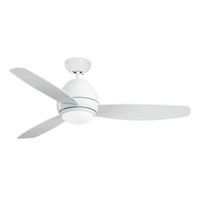
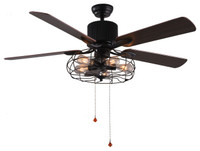
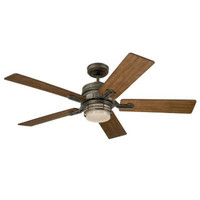
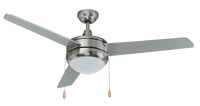






How Does a Ceiling Fan Work?
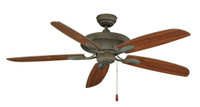
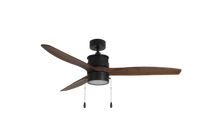
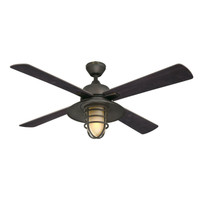
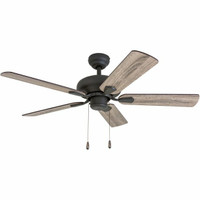
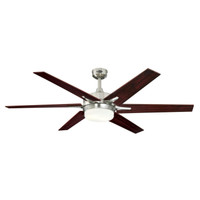
A ceiling fan is a mechanically driven fixture mounted to the ceiling that circulates air using hub-mounted rotating blades. Instead of lowering the actual room temperature, a ceiling fan increases air movement, which enhances evaporation on the skin and improves heat transfer through convection. This creates a cooling effect that makes occupants feel more comfortable.
Ceiling fans consume significantly less electricity than air conditioning systems. While the motor produces minimal heat through friction and operation, the overall energy impact is low. In cooler months, ceiling fans can also redistribute warm air that naturally rises to the ceiling, helping improve comfort and overall climate control efficiency.
Ceiling Fan Directions for Summer and Winter
Ceiling Fan Direction in Summer (Counterclockwise)
During summer, ceiling fans should rotate counterclockwise at a medium to high speed. This motion pushes air downward, creating a wind-chill effect that helps evaporate perspiration and makes the room feel cooler without changing the actual temperature.
Using a ceiling fan in summer allows you to raise thermostat settings while maintaining comfort, reducing air conditioning usage and energy costs.
Ceiling Fan Direction in Winter (Clockwise)
In winter, ceiling fans should rotate clockwise at a low speed. This gentle updraft pulls cooler air upward and pushes warm air—naturally collected near the ceiling—back down along the walls and into the living space.
This redistribution of heat helps rooms feel warmer, allowing lower thermostat settings and reducing heating system demand. Homeowners who use ceiling fans correctly in winter can reduce heating costs by up to 15%.
Exceptions to Seasonal Ceiling Fan Direction
Certain spaces benefit from adjusted ceiling fan operation:
- Vaulted Ceilings: Leave the fan rotating counterclockwise year-round. The increased height reduces direct airflow while maintaining effective circulation.
- Dining Rooms: Set the fan to rotate clockwise at a low or medium speed to avoid excessive airflow that could cool food or disturb lightweight items.
- Indoor Air Ventilation: Clockwise rotation can help draw air upward when combined with open windows or HVAC exhaust settings.
- Outdoor Ceiling Fans: On porches or covered patios, use counterclockwise rotation at higher speeds during summer. Strong airflow improves comfort and helps deter insects such as mosquitoes.
Adjusting fan direction seasonally improves comfort and reduces energy usage throughout the year.
Benefits of Using a Ceiling Fan in Summer
- Creates a wind-chill effect that can make rooms feel up to 8°F cooler
- Reduces reliance on air conditioning
- Helps lower cooling costs when paired with higher thermostat settings
- Improves comfort in indoor and outdoor living spaces
Benefits of Using a Ceiling Fan in Winter
- Redistributes warm air for more even room temperatures
- Reduces heating system workload
- Helps lower heating energy costs
- Minimizes the need for space heaters and additional electrical devices
Explore Our Ceiling Fan Styles, Features & Accessories
Lighting and Supplies offers a complete selection of ceiling fans organized by style, performance features, and essential components, making it easy to choose the right solution for residential, commercial, and outdoor applications.
Ceiling Fan Styles
Industrial Ceiling Fans
Designed with large blade spans and high airflow output, industrial ceiling fans are ideal for warehouses, gyms, workshops, and large commercial spaces.
Modern Ceiling Fans
Modern ceiling fans feature clean lines, contemporary finishes, and quiet operation, making them ideal for modern interiors.
Outdoor Ceiling Fans
Outdoor ceiling fans are built with moisture-rated components and weather-resistant materials for patios, porches, and covered outdoor areas.
Traditional Ceiling Fans
Traditional ceiling fans offer classic designs and decorative finishes suitable for bedrooms, living rooms, and dining areas.
Ceiling Fans by Feature
Ceiling Fans with Lights
Combine air circulation and illumination in a single fixture.
Hugger Ceiling Fans
Low-profile designs ideal for rooms with low ceilings.
LED Ceiling Fans
Integrated LED lighting provides long lifespan and reduced energy consumption.
Smart Ceiling Fans
Enable control via mobile apps, voice assistants, and automation systems.
Ceiling Fan Parts & Accessories
Ceiling Fan Blades – Available in multiple sizes, finishes, and materials
Ceiling Fan Downrods – Ensure proper mounting height for optimal airflow
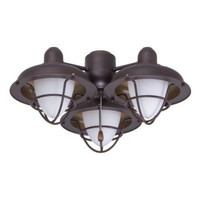
Ceiling Fan Light Kits – Add or upgrade lighting functionality
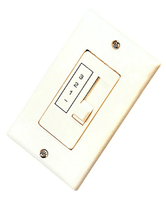
Ceiling Fan Remotes – Convenient control of speed, direction, and lighting
Making the Most of Your Ceiling Fan
Proper ceiling fan selection, placement, and seasonal direction adjustment improve comfort, enhance air circulation, and support energy efficiency year-round. When used alongside heating and cooling systems, ceiling fans help maintain consistent indoor comfort with lower energy use.
From replacement parts to complete ceiling fan solutions, Lighting and Supplies provides dependable products designed for performance, efficiency, and everyday comfort—delivered when and where you need them.
Need Help Selecting the Right Ceiling Fan?
Our team is here to help you choose the right style, size, features, and accessories for your space.
Visit LightingandSupplies.com to explore our full ceiling fan selection and expert solutions.