
 Chandeliers
 Flush Mount Lighting
 Island Lighting
 Pendant Lighting
 Recessed Lighting
 Semi-Flush Mount
 Track Lighting
 Ceiling Lights Accessories
 Wall Sconces
 Table Lamps
 Floor Lamps
 Desk Lamps
 Vanity Lighting
 Picture & Display Lights
 Wall Mirrors
 UFO High Bay
 Round High Bay
 Linear High Bay
 Low Bay Lighting
 High Bay Accessories
 Strip Lighting
 Tape Lighting
 Under Cabinet Lighting
 Linear Fixtures
 Shop Lighting
 Wraparound Lighting
 Rope Lights
 Light Bars
 Linear Retrofit Kits
 Linear Accessories
 Flat Panel Lighting
 Troffer Lighting
 Panel & Troffer Accessories
 Emergency Lighting
 Exit Signs
 Grow Lights
 Vapor Tight Lighting
 Hazardous Location
 UV & Germicidal Lights
 Cooler & Refrigeration
10-30wsideviewresized__27828.1721148389__94320.1749913681.jpg?c=2) Garage Lighting
Garage Lighting Work Lights
 Stairway Lighting
 Fans with Lights
 Fandeliers
 Hugger Fans
 Fan Accessories
 Wall Packs
 Barn Lights
 Bulkhead Lights
 Wall Pack Accessories
 Flood Lighting
 Spotlights
 Security Lighting
 Stadium & Sports Lighting
 Flood Light Accessories
 Area Lights
 Post Top Lighting
 Area Light Accessories
 Path Lights
 Bollard Lights
 Deck & Step Lights
 In-Ground & Well Lights
 Spot Lights
 Hardscape Lights
POLETOPMOUNTRESIZED__72860.1721147852__60616.1749923956.jpg?c=2) Solar Lights
Solar Lights Landscape Accessories
 Street Lights
 Pole Lights
 Roadway Lighting
 Round Canopy
 Square Canopy
 Canopy Accessories
 Outdoor Wall Lanterns
 Outdoor Wall Sconces
 Hanging Lanterns
 Porch Lighting
 Outdoor Pendant Lighting
 Cylinder Lighting
 String & Festoon Lights
 Dusk to Dawn Lighting
 Marine Lighting
 Pool & Pond Lighting
 Sign Lighting
 A-Shape (A19 / A21)
 PAR LED Bulbs
 BR LED Bulbs
 MR LED Bulbs
 LED Tube Lights
 Candelabra LED Bulbs
 Globe LED Bulbs
 Decorative LED Bulbs
 R LED Bulbs
 LED Corn Bulbs
 Smart LED Bulbs
 LED Retrofit Kits
 Linear Fluorescent Tubes
 Compact Fluorescent (CFL)
 Plug-In CFL
 Circline Bulbs
 Halogen Bulbs
 Standard Incandescent
 Vintage & Edison Bulbs
 Metal Halide
 High Pressure Sodium
 Low Pressure Sodium
 Mercury Vapor
 Appliance Bulbs
 Colored Bulbs
 UV Bulbs
 Blacklight Bulbs
 Grow Bulbs
 Sign Bulbs
 Projector Bulbs
 Indicator & Miniature
 Capacitors
 Connectors & Adapters
 Fuses & Breakers
 Junction Boxes
 Outlets & Receptacles
 Sockets & Lampholders
 Wall Plates
 Wire Connectors
 Dimmers
 Motion Sensors
 Occupancy Sensors
 Photocells
 Smart Controls
 Switches
 Timers
 Batteries
 Electrical Tapes
 Flashlights
 Multimeters & Testers
 Nut Drivers
 Pliers
 Safety Equipment
 Screwdrivers
 Tape & Adhesives
 Tool Kits
 Wire Strippers & Cutters
 Weatherproof Covers
 Electronic Transformers
 Low Voltage Transformers
 Magnetic Transformers
 Cable Management
 Electrical Wire
 Extension Cords
 Brackets & Arms
 Light Poles
 Mounting Accessories
 Pole Mounts & Tenons
 Slipfitters
 Trim Rings & Reflectors
 Electronic Ballasts
 Emergency Ballasts
 Fluorescent Ballasts
 HID Ballasts
 LED Drivers
 Magnetic Ballasts
 Backup Batteries
 C7 Lights
 C9 Lights
 Mini Lights
 Christmas Trees
 Outdoor Decorations
 Wreaths & Garlands
 Patio String Lights
 Wedding & Event Lights
 Battery Operated Lights
 Novelty Lights
 Icicle Lights
 Curtain Lights
 Net Lights
 Rope Lights
 Commercial Christmas Lights
 Christmas Light Accessories
Categories




What Is the Difference Between UVA, UVB, and UVC? Which Is Most Dangerous?
Ultraviolet (UV) light is a type of electromagnetic radiation emitted by the sun, and it plays an important role in our daily lives. While UV light has benefits, such as supporting vitamin D production, it can also pose serious health risks. UV radiation is divided into three main categories—UVA, UVB, and UVC—each with different wavelengths, energy levels, and effects on the human body.
In this guide, we’ll explain the differences between UVA, UVB, and UVC radiation, explore which type is the most dangerous, and discuss how UVC light is safely used in germicidal lighting products for disinfection.
Understanding UV Radiation: UVA, UVB, and UVC
Ultraviolet light is invisible to the human eye and is classified based on wavelength. In general, the shorter the wavelength, the higher the energy and potential for biological damage. UV radiation is divided into three categories:
UVA Radiation
UVA rays have the longest wavelength and account for approximately 95% of the UV radiation that reaches the Earth’s surface. These rays penetrate deeply into the skin, reaching the dermis layer. UVA exposure is primarily responsible for premature skin aging, wrinkles, and sunspots, and it can also contribute to skin cancer over time.
UVB Radiation
UVB rays have a shorter wavelength than UVA and are mostly absorbed by the Earth’s ozone layer, with only about 5% reaching the surface. UVB radiation affects the outer layer of the skin (the epidermis) and is the primary cause of sunburn. Long-term exposure to UVB rays is strongly linked to skin cancer and DNA damage.
UVC Radiation
UVC rays have the shortest wavelength and highest energy, making them the most dangerous form of UV radiation. Fortunately, UVC radiation is completely absorbed by the Earth’s ozone layer and does not naturally reach the surface. However, artificial UVC sources are widely used in controlled environments for germicidal and disinfection purposes.
UVC: The Most Dangerous UV Radiation
UVC radiation is technically the most dangerous type of UV light due to its high energy. Under natural conditions, it poses little risk because the ozone layer blocks it entirely. However, artificial UVC light sources can be hazardous if not used properly.
Man-made UVC lighting is commonly used in germicidal applications to disinfect air, water, and surfaces. Improper exposure to UVC light can cause serious skin burns, eye injuries, and long-term health issues. Anyone working with UVC lighting should follow strict safety protocols.
UVB: The Sunburn Culprit
UVB radiation is the second most dangerous form of UV light. Although it represents a smaller portion of UV exposure, it is powerful enough to cause sunburn and significantly increase the risk of skin cancer.
UVB intensity varies by time of day, season, and geographic location, with peak exposure typically occurring between 10 a.m. and 4 p.m. Protective measures such as sunscreen, UV-protective clothing, and sunglasses are essential during these hours.
Despite its risks, UVB radiation also plays a role in vitamin D production. Some people turn to vitamin D light bulbs as an alternative to sun exposure.
UVA: The Deep Penetrator
UVA rays are the most prevalent type of UV radiation reaching the Earth’s surface. While they are less intense than UVB rays, they penetrate deeper into the skin and cause long-term damage. UVA exposure contributes to premature aging, loss of skin elasticity, and increased cancer risk.
Unlike UVB, UVA radiation can penetrate glass, meaning exposure can occur indoors, inside vehicles, or near windows. This makes UVA a constant concern, even when you’re not outside in direct sunlight.
How to Protect Yourself from UV Radiation
Protecting yourself from UV radiation is essential for long-term health. The most effective protection includes using broad-spectrum sunscreen that blocks both UVA and UVB rays, wearing UV-protective clothing, and limiting sun exposure during peak hours.
For environments using artificial UVC lighting, safety is critical. Protective equipment such as goggles and gloves should always be used, and UVC systems should only be operated according to manufacturer guidelines.
Which Type of UV Radiation Is Most Dangerous?
The answer depends on exposure conditions. In terms of energy, UVC radiation is the most dangerous. However, because it does not naturally reach the Earth’s surface, most people are not exposed to it unless using artificial sources.
UVA radiation poses the greatest long-term risk because it is constant and penetrates deeply into the skin. UVB radiation causes more immediate damage, such as sunburn, and has a strong link to skin cancer. Each type carries risks, and proper protection is essential.
Artificial UVC: Sources and Risks
Artificial UVC lighting is used across many industries for disinfection and sterilization. Common sources include:
- UV-C germicidal lights
- Mercury vapor lamps
- Welding torches
- Lasers
- Older tanning beds
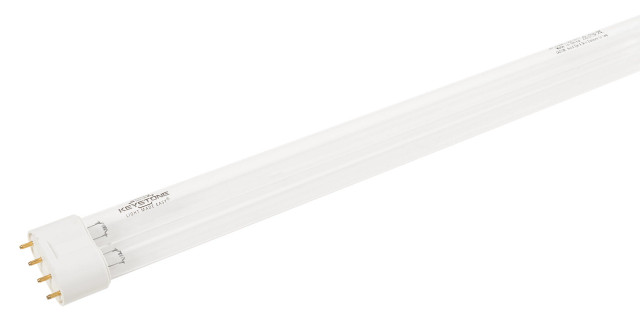
- Germicidal UV-C light bulbs
Germicidal UV-C Lights: Safe Use and Benefits
Germicidal UV-C lighting is widely used in hospitals, laboratories, schools, gyms, and commercial facilities to disinfect air, water, and surfaces. When used correctly, these systems can kill up to 99.99% of pathogens, including viruses and bacteria.
Proper usage is essential. Germicidal UVC systems should only be used in unoccupied spaces and installed according to manufacturer instructions. When used safely, UVC lighting can significantly reduce infection rates.
Explore germicidal UV-C systems here:
Common applications include:
- Hospitals and medical facilities to reduce healthcare-associated infections
- Gyms and fitness centers to control bacterial spread
- Schools to protect students and staff from seasonal illnesses
Bottom Line
All UV radiation types carry both risks and benefits. While UVC is the most powerful and potentially dangerous, UVA and UVB are the primary risks we face in daily life. Understanding how each type works—and how to protect yourself—is key to staying safe.