

-

Halco Lighting Technologies CFL11/35/PAR20 46006 11W PAR20 Reflectors
Halco Lighting Technologies
-
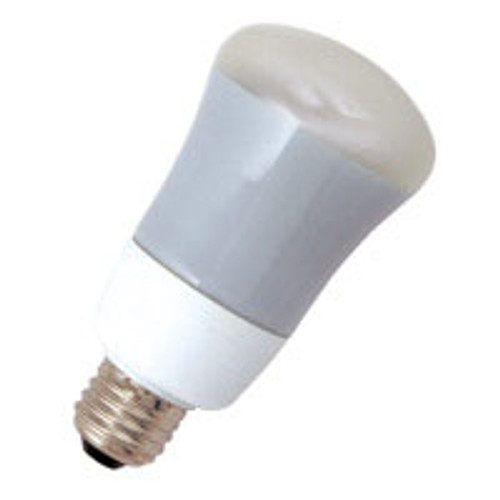
Halco Lighting Technologies CFL14/30/R20 46011 14W SPIRAL R20 Reflectors
Halco Lighting Technologies
-

Halco Lighting Technologies CFL15/35/PAR30 46002 15W PAR30 Reflectors
Halco Lighting Technologies
-
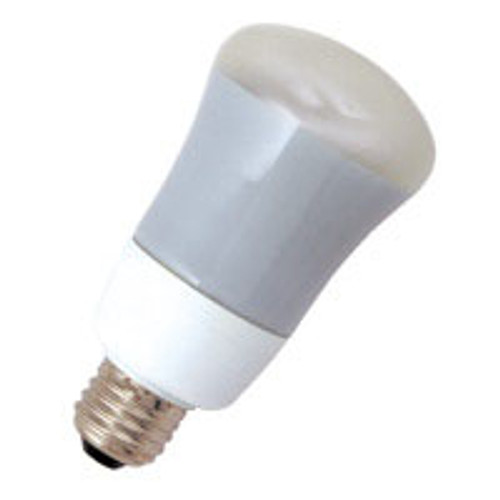
Halco Lighting Technologies CFL14/50/R20 46014 14W SPIRAL R20 Reflectors
Halco Lighting Technologies
-
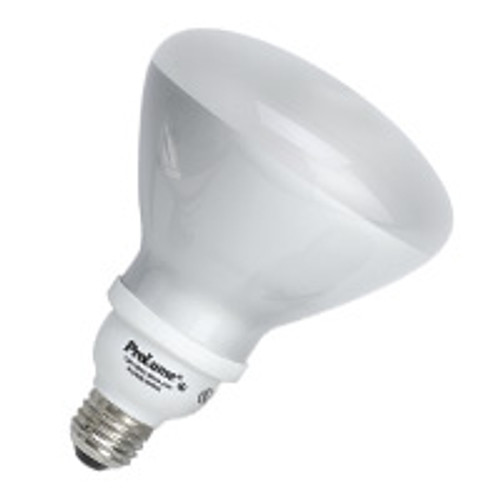
Halco Lighting Technologies CFL23/27/R40 46210 23W SPIRAL R40 Reflectors
Halco Lighting Technologies
-

Halco Lighting Technologies CFL5/27/FS 46600 5W T2 FULL SPIRAL T2 Full Spiral
Halco Lighting Technologies
-

Halco Lighting Technologies CFL5/41 45016 5W T2 SPIRAL 4100K T2 Spirals
Halco Lighting Technologies
-

Halco Lighting Technologies CFL5/27/E12 45011 5W T2 SPIRAL T2 Spirals
Halco Lighting Technologies
-
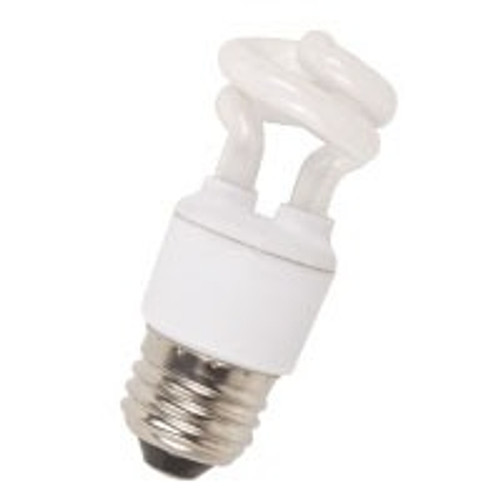
Halco Lighting Technologies CFL5/50 45018 5W T2 SPIRAL 5000K T2 Spirals
Halco Lighting Technologies
-

Halco Lighting Technologies CFL5/50/E12 45019 5W T2 SPIRAL T2 Spirals
Halco Lighting Technologies
-
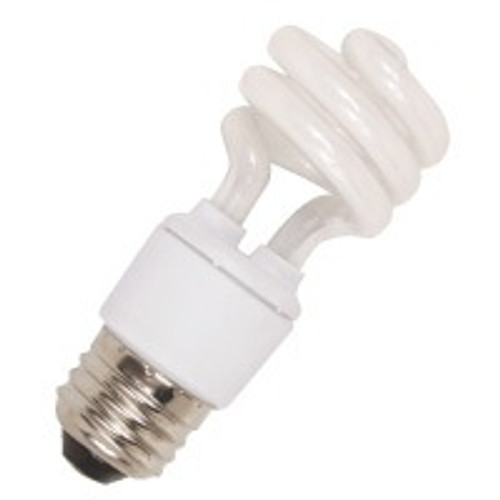
Halco Lighting Technologies CFL9/35 45034 9W T2 SPIRAL 3500K T2 Spirals
Halco Lighting Technologies
-

Halco Lighting Technologies CFL5/35 45014 5W T2 SPIRAL 3500K T2 Spirals
Halco Lighting Technologies
What is a Compact / CFL Light Bulb?
A compact fluorescent lamp (CFL), also called compact fluorescent light, energy-saving light and compact fluorescent tube, is a fluorescent lamp designed to replace an incandescent light bulb; some types fit into light fixtures designed for incandescent bulbs. The lamps use a tube which is curved or folded to fit into the space of an incandescent bulb, and a compact electronic ballast in the base of the lamp.
Compared to general-service incandescent lamps giving the same amount of visible light, CFLs use one-fifth to one-third the electric power, and last eight to fifteen times longer. A CFL has a higher purchase price than an incandescent lamp, but can save over five times its purchase price in electricity costs over the lamp's lifetime. Like all fluorescent lamps, CFLs contain toxic mercury which complicates their disposal. In many countries, governments have banned the disposal of CFLs together with regular garbage. These countries have established special collection systems for CFLs and other hazardous waste.
The principle of operation remains the same as in other fluorescent lighting: electrons that are bound to mercury atoms are excited to states where they will radiate ultraviolet light as they return to a lower energy level; this emitted ultraviolet light is converted into visible light as it strikes the fluorescent coating (as well as into heat when absorbed by other materials such as glass).
CFLs radiate a spectral power distribution that is different from that of incandescent lamps. Improved phosphor formulations have improved the perceived color of the light emitted by CFLs, such that some sources rate the best "soft white" CFLs as subjectively similar in color to standard incandescent lamps.