
 Chandeliers
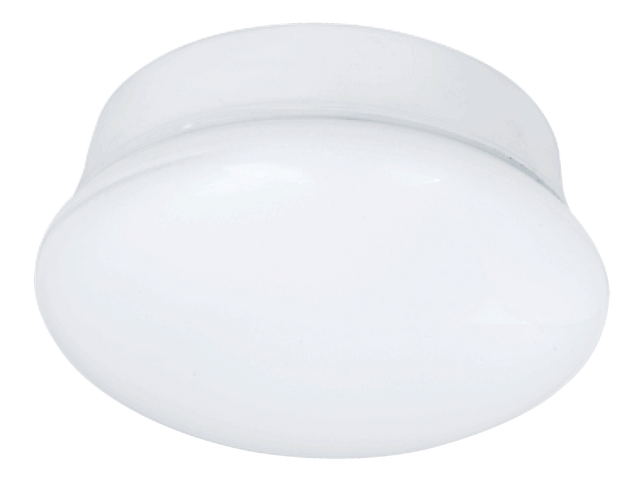 Flush Mount Lighting
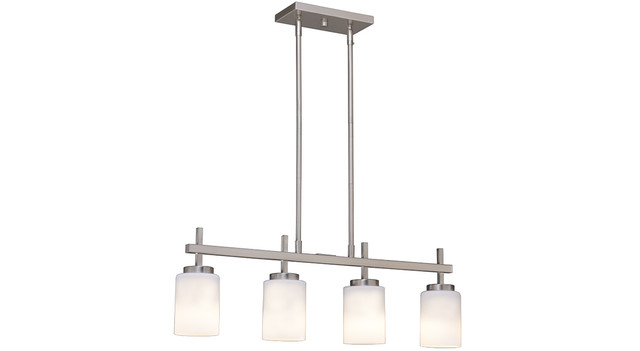 Island Lighting
 Pendant Lighting
 Recessed Lighting
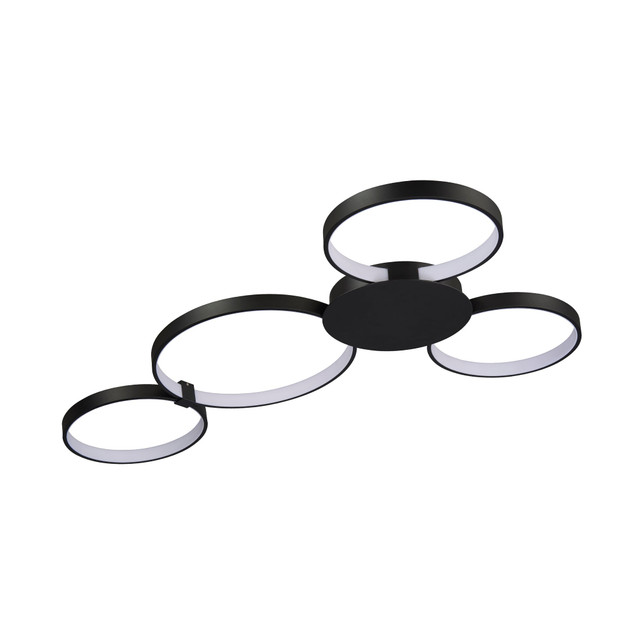 Semi-Flush Mount
 Track Lighting
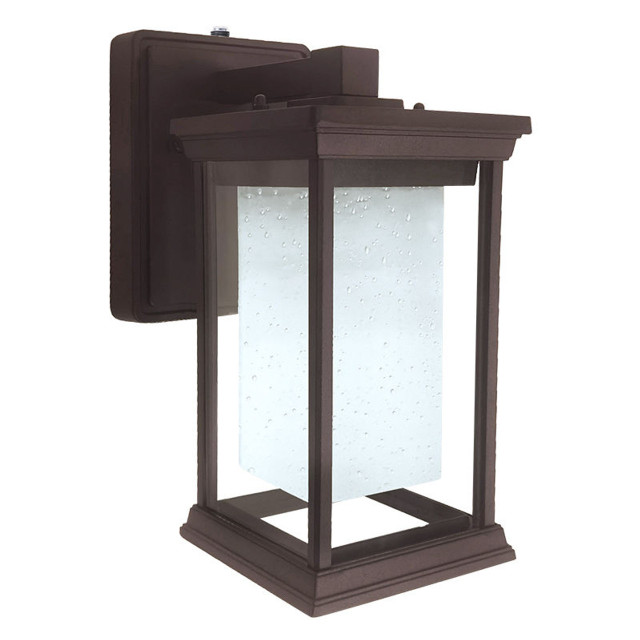 Ceiling Lights Accessories
 Wall Sconces
 Table Lamps
 Floor Lamps
 Desk Lamps
 Vanity Lighting
 Picture & Display Lights
 Wall Mirrors
 UFO High Bay
 Round High Bay
 Linear High Bay
 Low Bay Lighting
 High Bay Accessories
 Strip Lighting
 Tape Lighting
 Under Cabinet Lighting
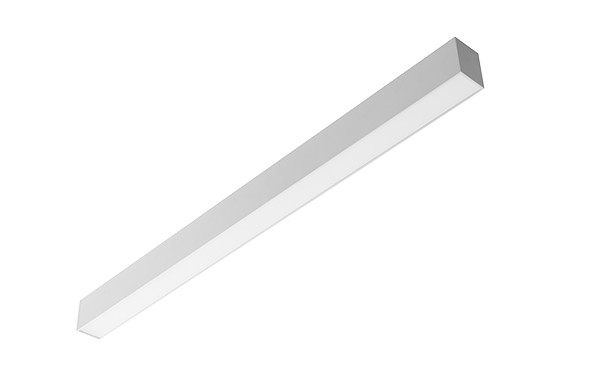 Linear Fixtures
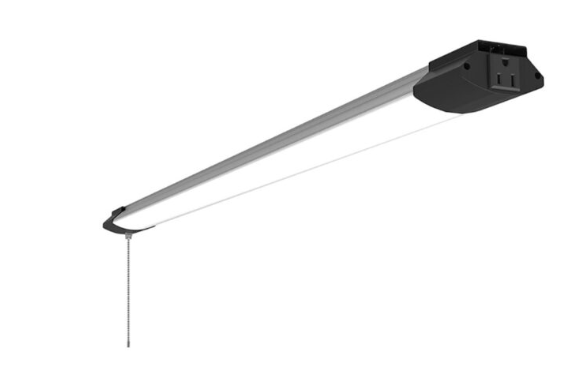 Shop Lighting
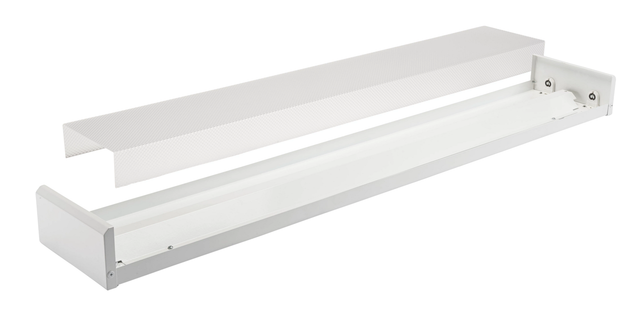 Wraparound Lighting
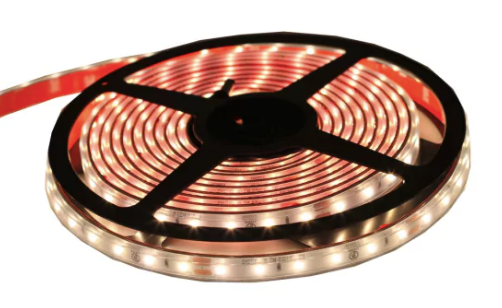 Rope Lights
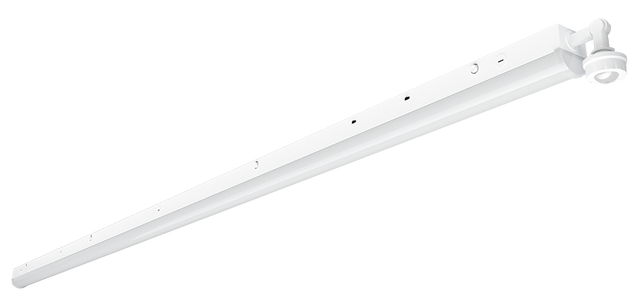 Light Bars
 Linear Retrofit Kits
 Linear Accessories
 Flat Panel Lighting
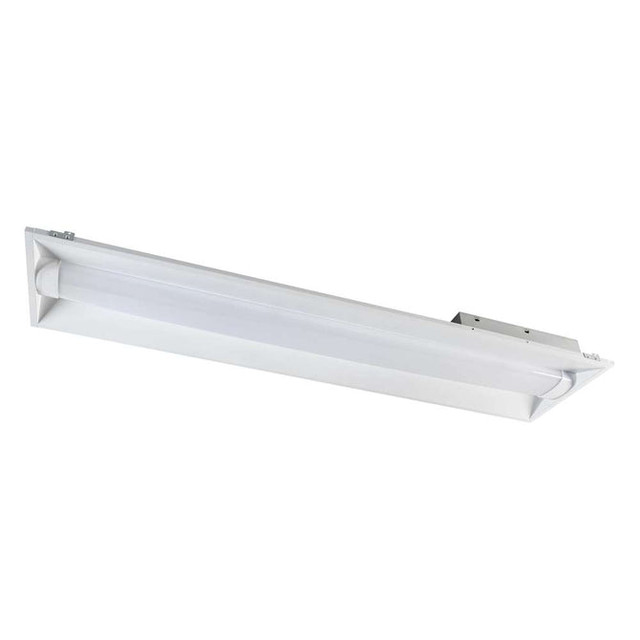 Troffer Lighting
 Panel & Troffer Accessories
 Emergency Lighting
 Exit Signs
 Grow Lights
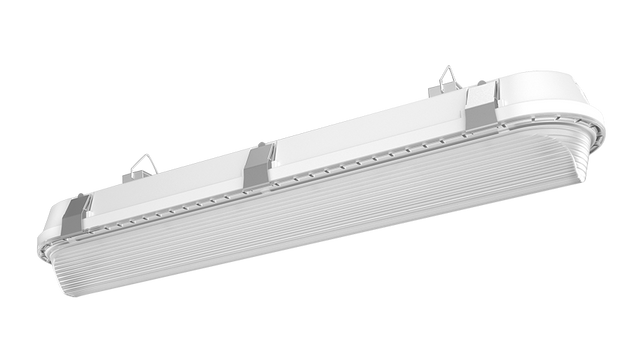 Vapor Tight Lighting
 Hazardous Location
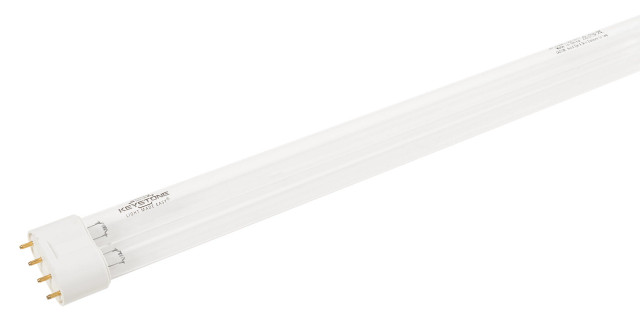 UV & Germicidal Lights
 Cooler & Refrigeration
10-30wsideviewresized__27828.1721148389__94320.1749913681.jpg?c=2) Garage Lighting
Garage Lighting Work Lights
 Stairway Lighting
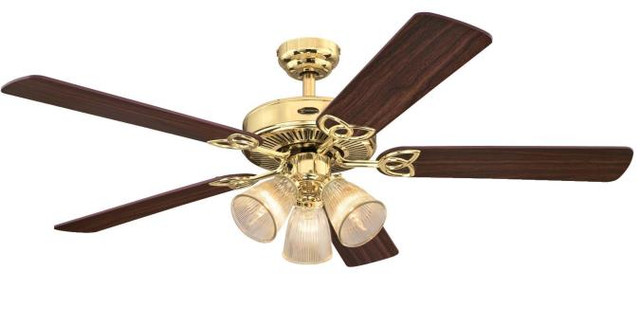 Fans with Lights
 Fandeliers
 Hugger Fans
 Fan Accessories
 Wall Packs
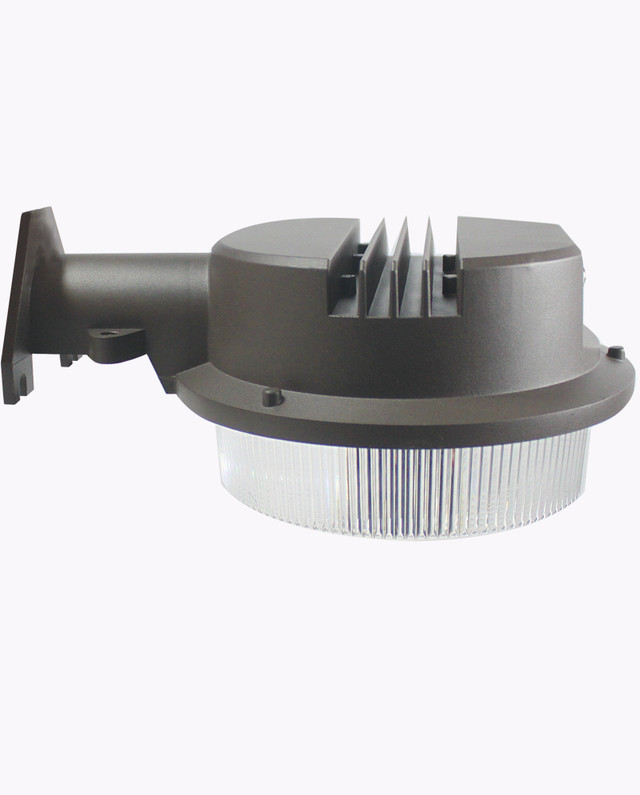 Barn Lights
 Bulkhead Lights
 Wall Pack Accessories
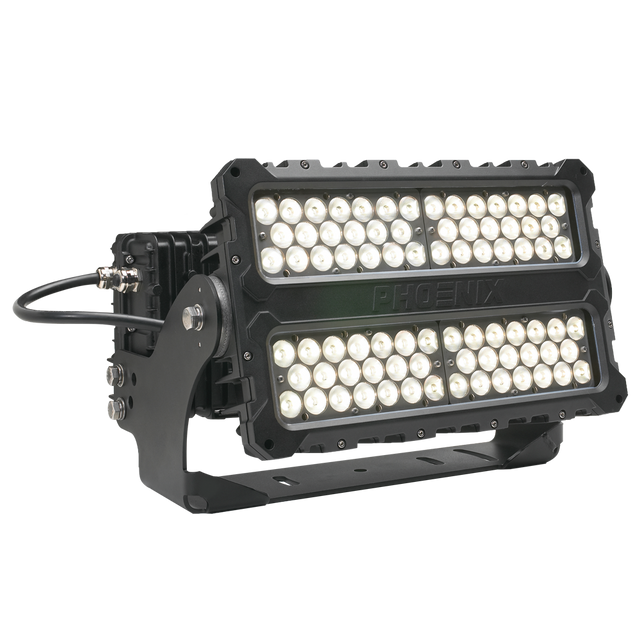 Flood Lighting
 Spotlights
 Security Lighting
 Stadium & Sports Lighting
 Flood Light Accessories
 Area Lights
 Post Top Lighting
 Area Light Accessories
 Path Lights
 Bollard Lights
 Deck & Step Lights
 In-Ground & Well Lights
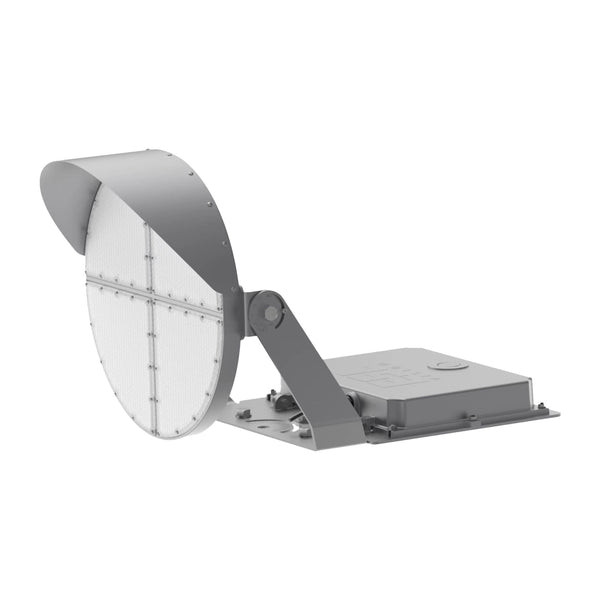 Spot Lights
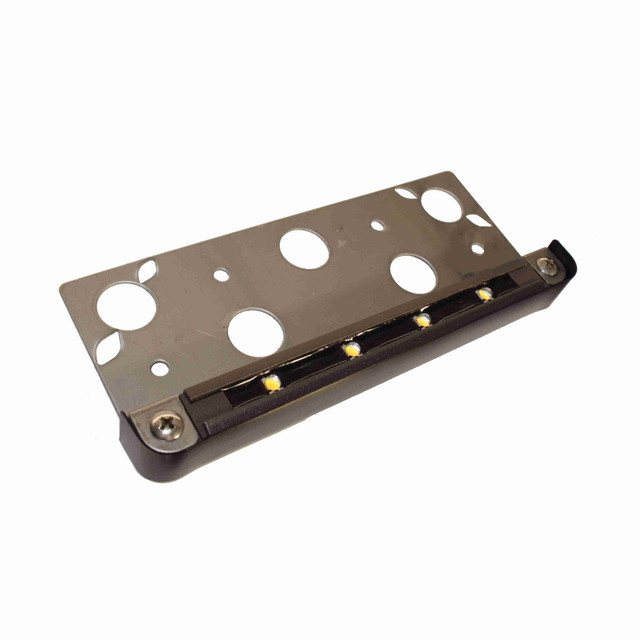 Hardscape Lights
POLETOPMOUNTRESIZED__72860.1721147852__60616.1749923956.jpg?c=2) Solar Lights
Solar Lights Landscape Accessories
 Street Lights
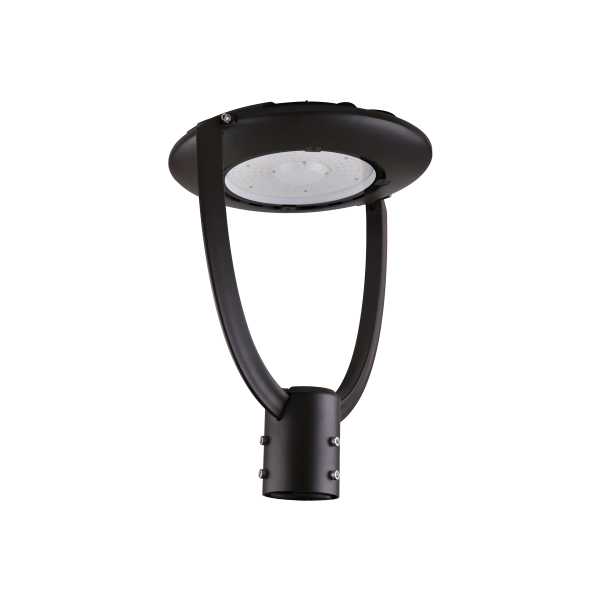 Pole Lights
 Roadway Lighting
 Round Canopy
 Square Canopy
 Canopy Accessories
 Outdoor Wall Lanterns
 Outdoor Wall Sconces
 Hanging Lanterns
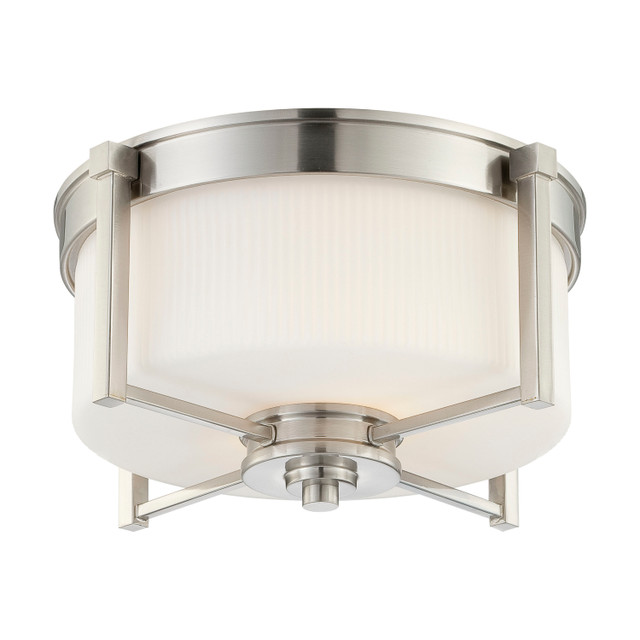 Porch Lighting
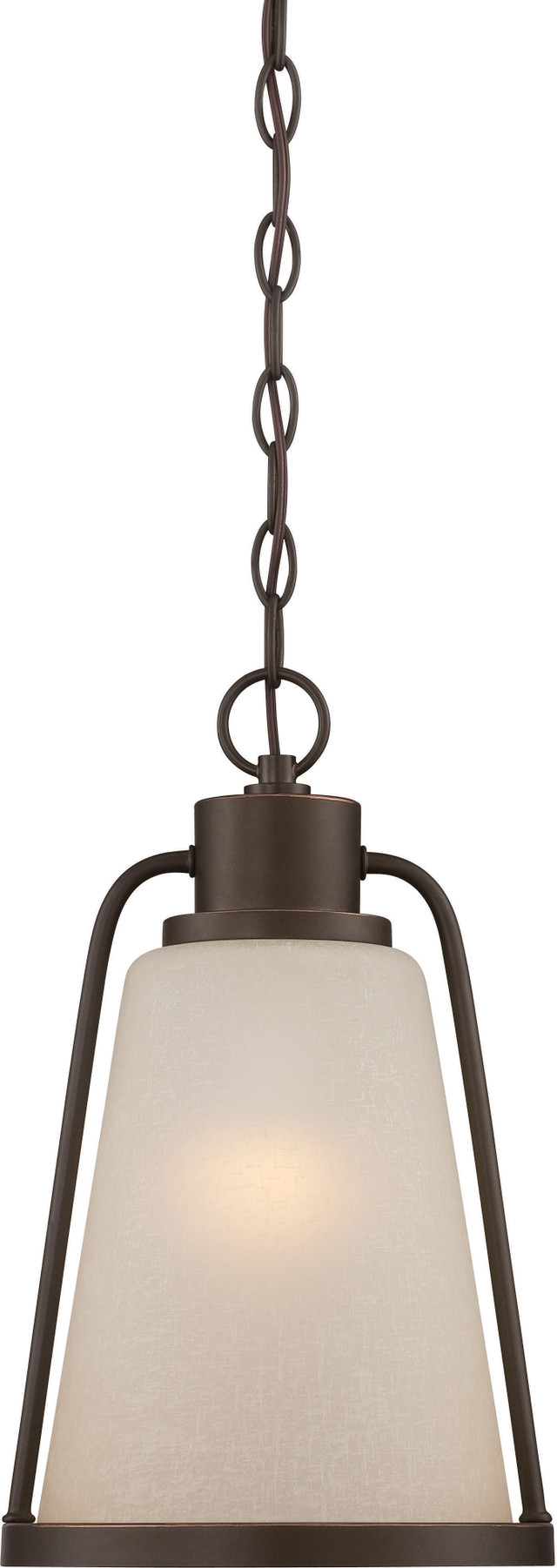 Outdoor Pendant Lighting
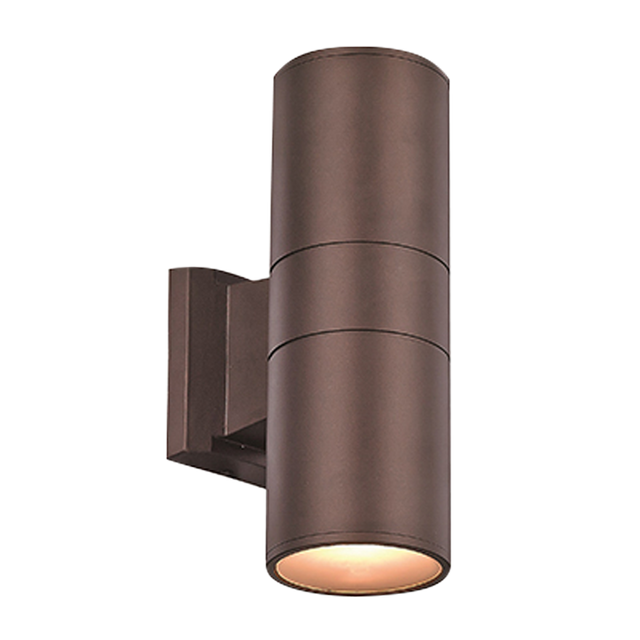 Cylinder Lighting
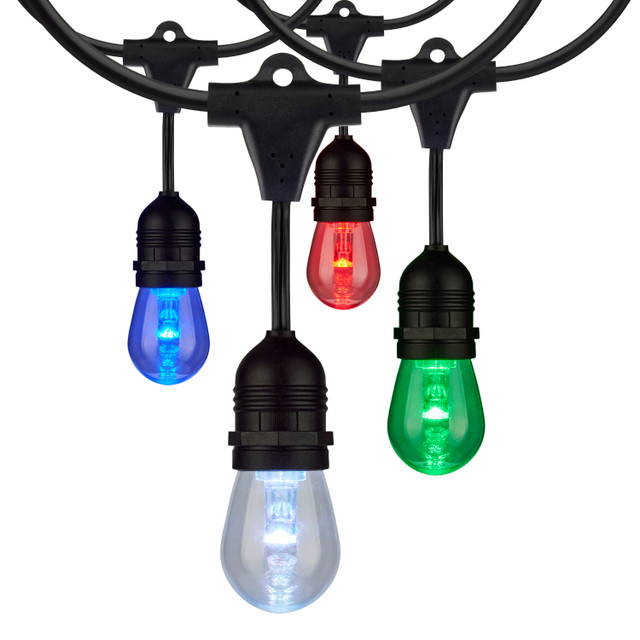 String & Festoon Lights
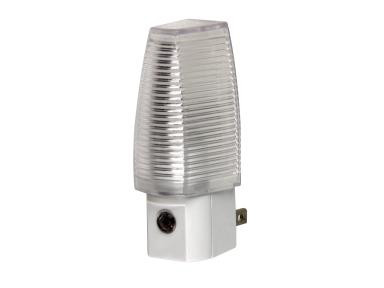 Dusk to Dawn Lighting
 Marine Lighting
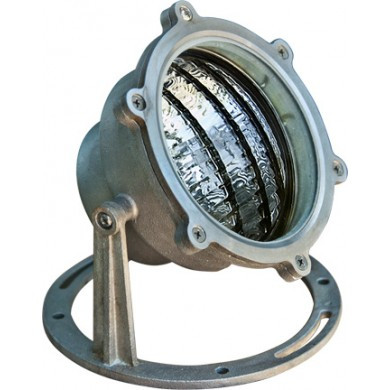 Pool & Pond Lighting
 Sign Lighting
 A-Shape (A19 / A21)
 PAR LED Bulbs
 BR LED Bulbs
 MR LED Bulbs
 LED Tube Lights
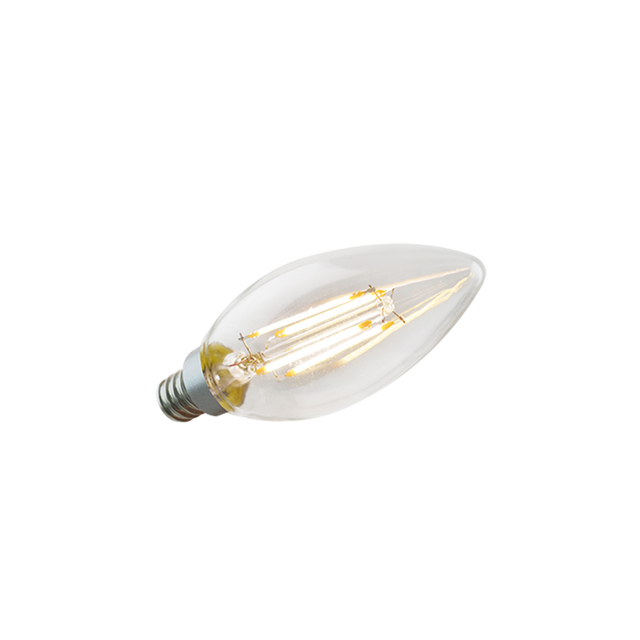 Candelabra LED Bulbs
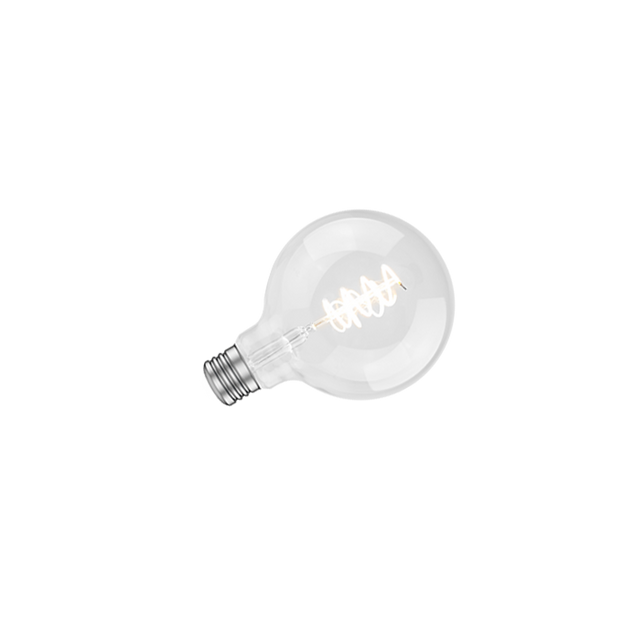 Globe LED Bulbs
 Decorative LED Bulbs
 R LED Bulbs
 LED Corn Bulbs
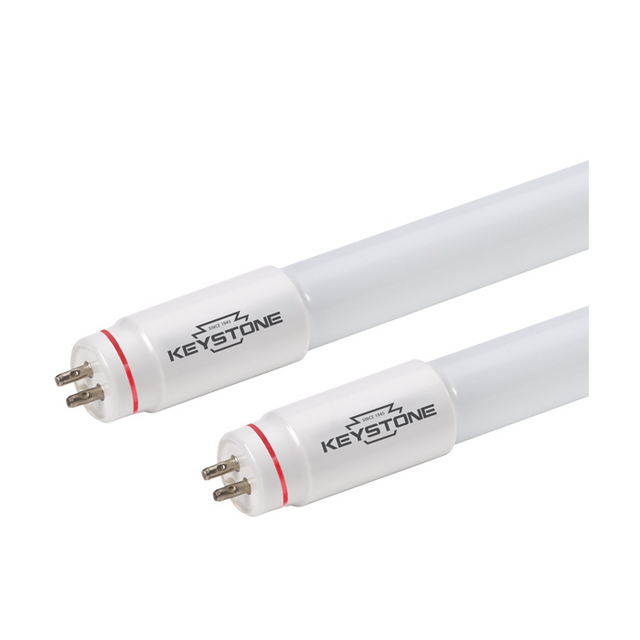 Smart LED Bulbs
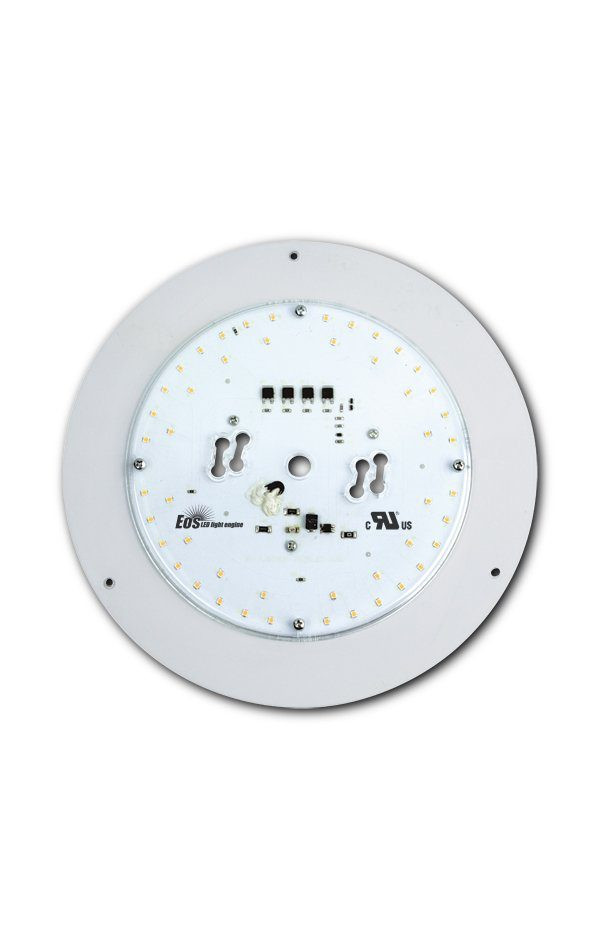 LED Retrofit Kits
 Linear Fluorescent Tubes
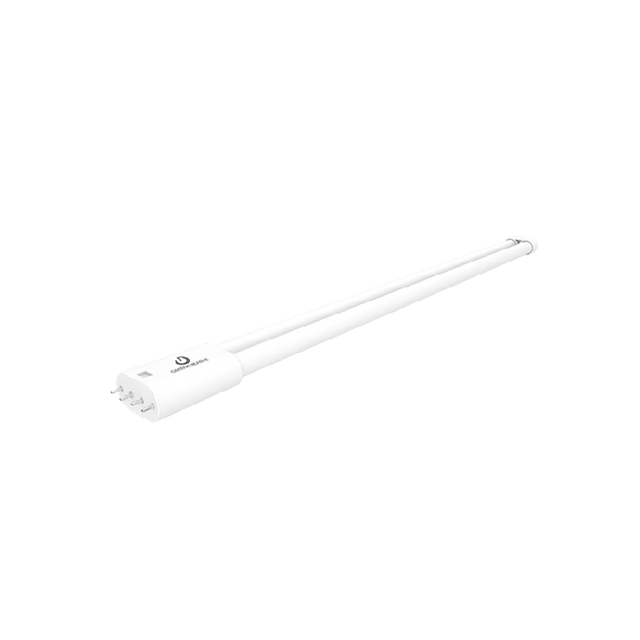 Compact Fluorescent (CFL)
 Plug-In CFL
 Circline Bulbs
 Halogen Bulbs
 Standard Incandescent
 Vintage & Edison Bulbs
 Metal Halide
 High Pressure Sodium
 Low Pressure Sodium
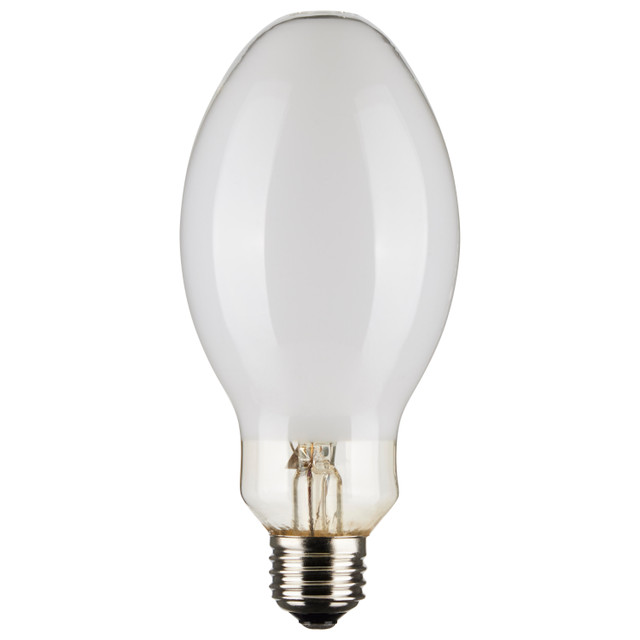 Mercury Vapor
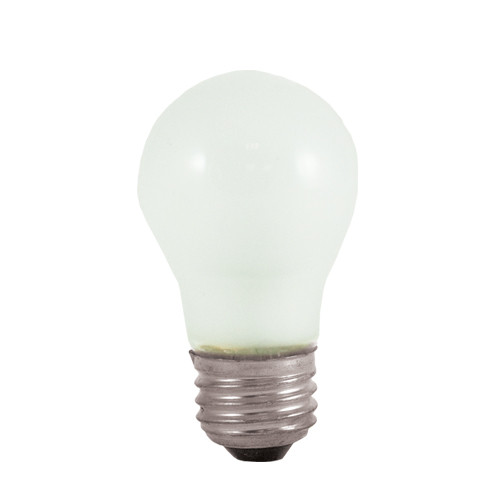 Appliance Bulbs
 Colored Bulbs
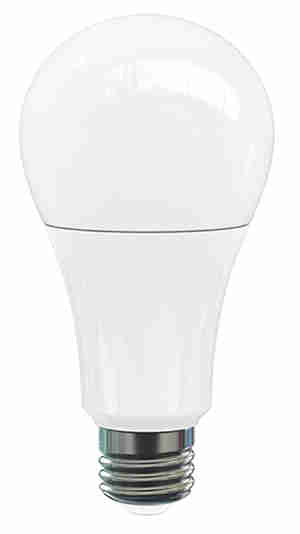 UV Bulbs
 Blacklight Bulbs
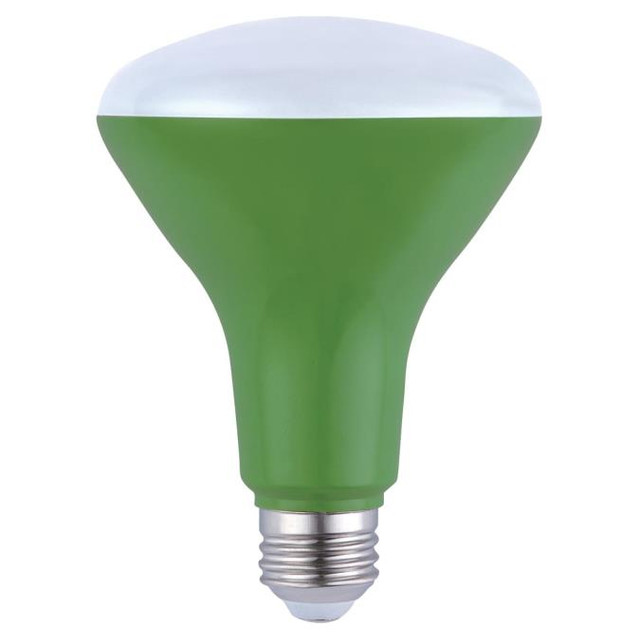 Grow Bulbs
 Sign Bulbs
 Projector Bulbs
 Indicator & Miniature
 Capacitors
 Connectors & Adapters
 Fuses & Breakers
 Junction Boxes
 Outlets & Receptacles
 Sockets & Lampholders
 Wall Plates
 Wire Connectors
 Dimmers
 Motion Sensors
 Occupancy Sensors
 Photocells
 Smart Controls
 Switches
 Timers
 Batteries
 Electrical Tapes
 Flashlights
 Multimeters & Testers
 Nut Drivers
 Pliers
 Safety Equipment
 Screwdrivers
 Tape & Adhesives
 Tool Kits
 Wire Strippers & Cutters
 Weatherproof Covers
 Electronic Transformers
 Low Voltage Transformers
 Magnetic Transformers
 Cable Management
 Electrical Wire
 Extension Cords
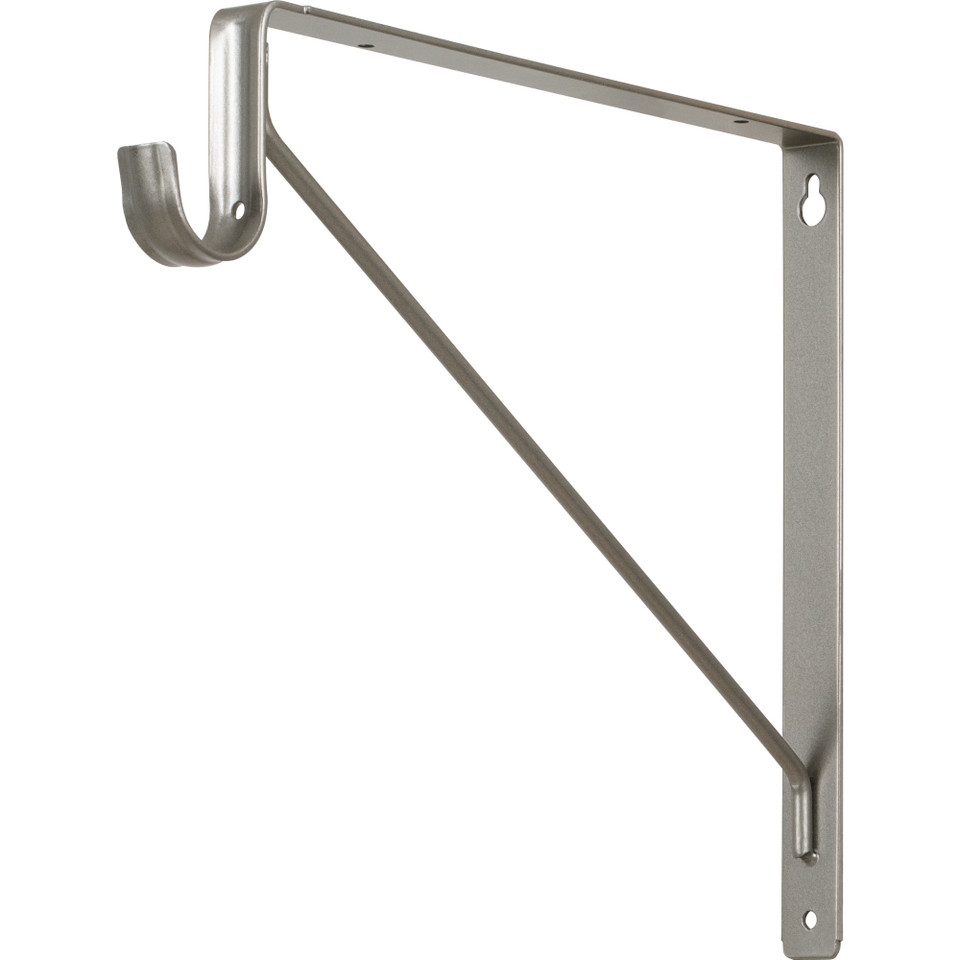 Brackets & Arms
 Light Poles
 Mounting Accessories
 Pole Mounts & Tenons
 Slipfitters
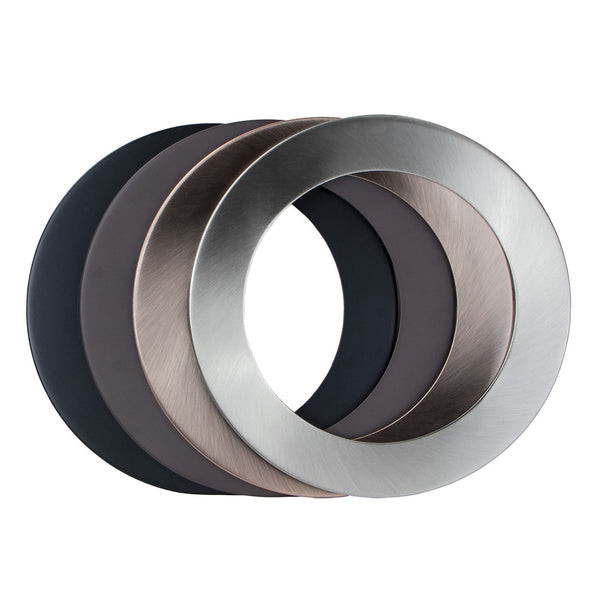 Trim Rings & Reflectors
 Electronic Ballasts
 Emergency Ballasts
 Fluorescent Ballasts
 HID Ballasts
 LED Drivers
 Magnetic Ballasts
 Backup Batteries
 C7 Lights
 C9 Lights
 Mini Lights
 Christmas Trees
 Outdoor Decorations
 Wreaths & Garlands
 Patio String Lights
 Wedding & Event Lights
 Battery Operated Lights
 Novelty Lights
 Icicle Lights
 Curtain Lights
 Net Lights
 Rope Lights
 Commercial Christmas Lights
 Christmas Light Accessories
Categories
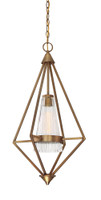
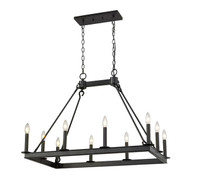
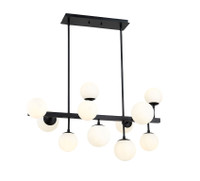
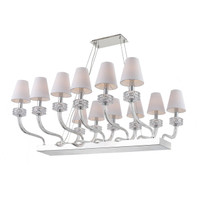
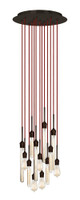
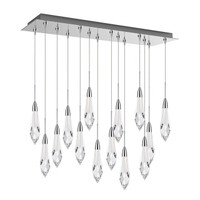
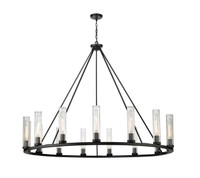
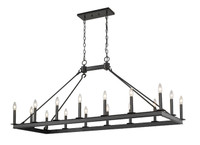
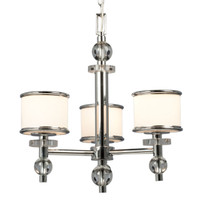
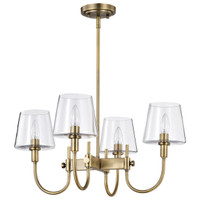
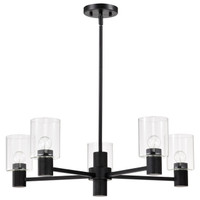
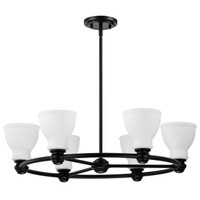
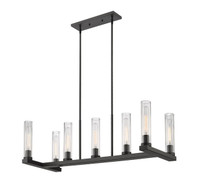
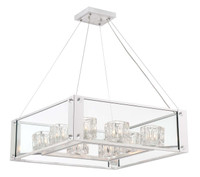
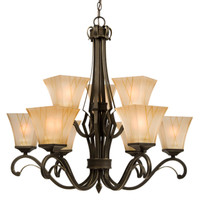
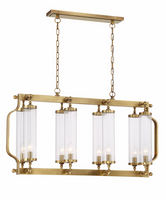

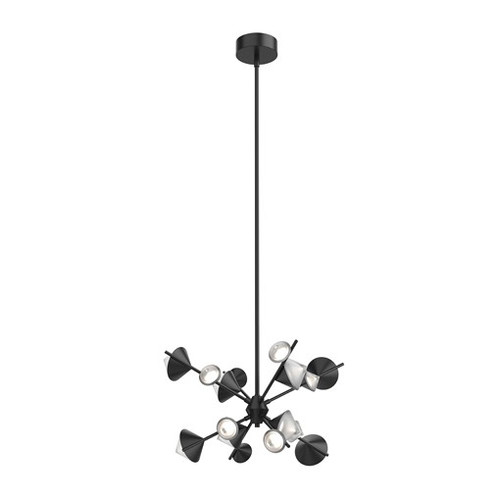


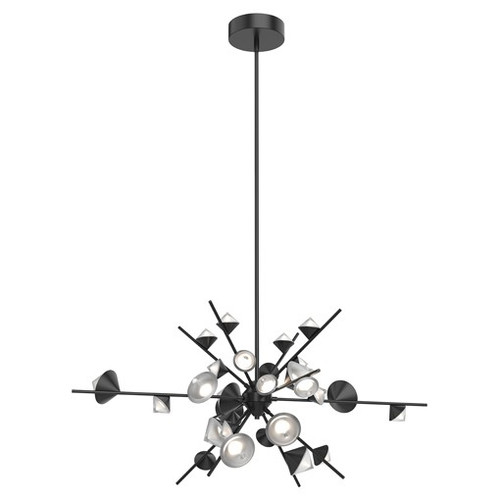



The Power of Chandeliers in Interior Design
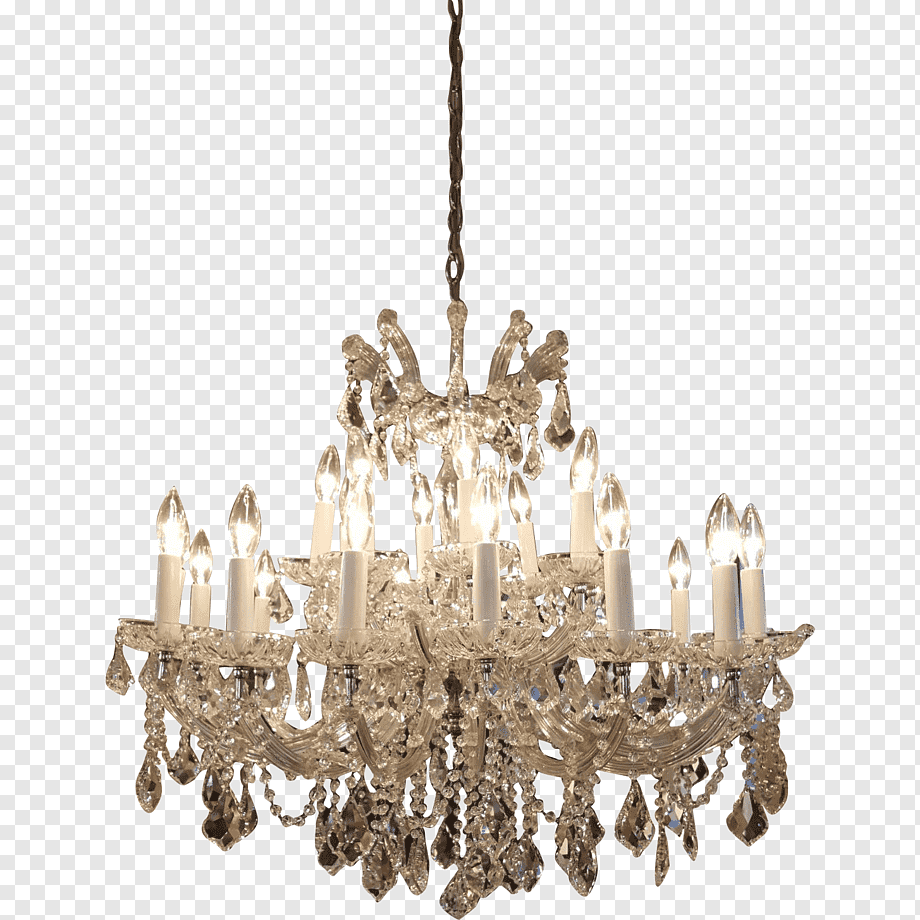
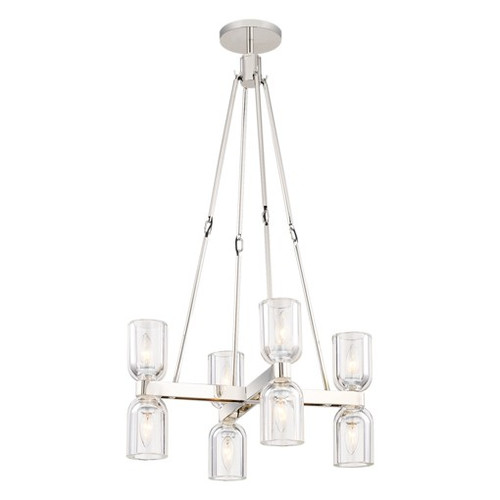
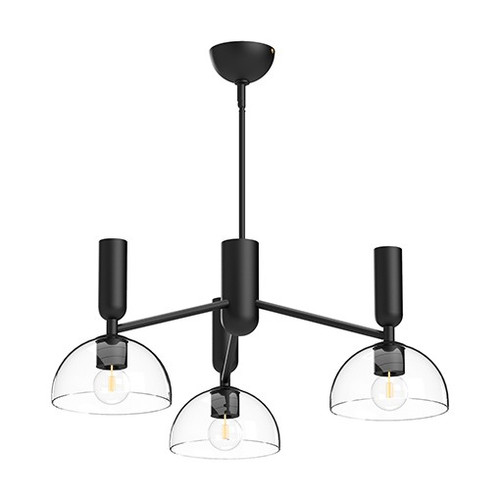
A chandelier is a lighting fixture. Besides providing light it also dictates the ambience and overall balance of a space. The choice of chandelier makes a huge impact on the looks and feel of a room. Chandeliers come in different styles; from crystal ones which provide high light reflection to modern ones which have clean and minimal designs, each style creates a unique visual effect.
These days chandeliers offer not only performance but also design flexibility; which enables them to be used in living rooms, kitchens, bedrooms, foyers, and bathrooms. The chandeliers of Lighting and Supplies offer energy efficiency, durability, and are manufactured on U.S. standards. Lighting and Supplies provide reliable lighting combined with elevated aesthetics.
Different types of Chandeliers
Chandeliers come in various materials, have many shapes, and offer a plethora of light distribution styles. Chandeliers are quite versatile; they can be easily suited to different room sizes, ceiling heights, and lighting needs.
- Modern Chandeliers have geometric designs. LED is used as a source of light which provides efficient and glare-controlled lighting.
- Crystal Chandeliers are aimed for maximum light reflection and sparkle. They are brighter which provide a luxury feel to dining rooms and foyers.
- Linear Chandeliers are generally long and come in horizontal fixtures. The most common use is to provide a focused downlight to dining tables and kitchen islands.
- Rustic Chandeliers are made mostly from wood and metal. The style of finishing is distressed. By providing a warm and diffused lighting they maintain a natural aesthetic.
- Mini Chandeliers are compact in size. These chandeliers provide targeted ambient lighting. Their main utility is in smaller spaces. .e.g. bedrooms or hallways.
- Candle-Style Chandeliers have protruding multi-arms and the bulbs are exposed. These chandeliers offer classic style and have ulti-directional light.
Overall layout of room, brightness requirements, and interior design philosophy influence the choice of chandelier.
Selection of the Right Size and Light requirements in Chandeliers
For visual balance and proper illumination selecting the right size and lighting requirements is essential.
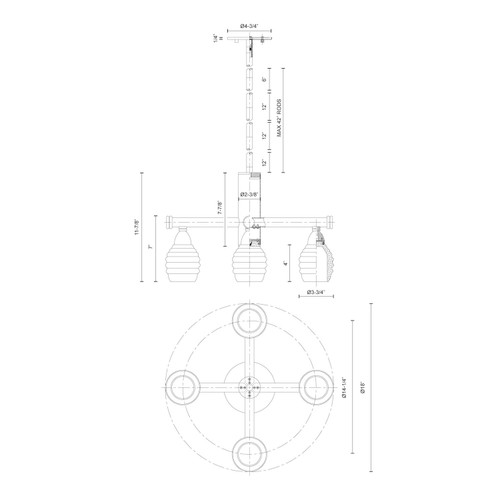
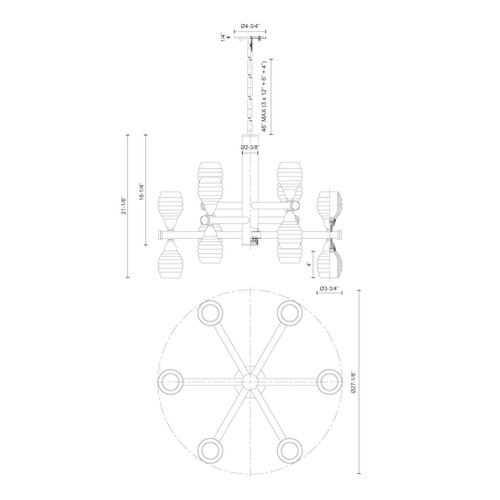
- Size Formula: There is a simple sizing rule for chandeliers. This formula helps maintain the right spacing in rooms: Room Width (measured in foot) + Room Length (also measured in foot) = Diameter of ideal Chandelier (measured in inches)
Demonstrative Example, a room with 12 feet width + 14 feet length will need a chandelier which has 26 inches in diameter. Choosing the right prevents the chandelier from making the room too small and also visually underpowered. On the contrary the room may look too large or overwhelm the space,
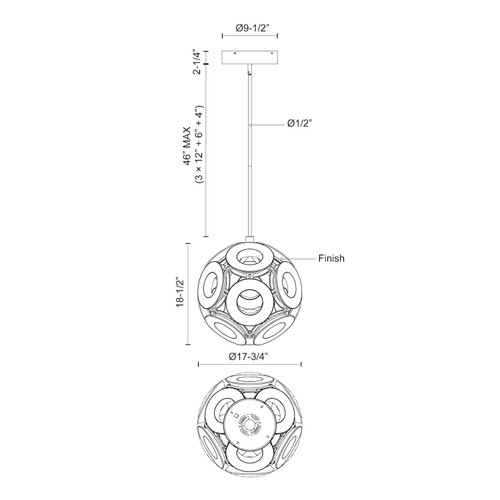
- Guidelines for Height and how to Hang: at least 7 feet of clearance needs to be maintained from floor to the chandelier’s bottom.In case of dining tables, 30–36 inches of height be maintained above the surface.In case the height of room is more than 8 feet, 3 inches of height per foot needs to be added
- Brightness - Required Lumens: It shows how much light the chandelier produces.
- For Small spaces (e.g. bedrooms, hallways): 800–2,000 lumen is good range
- For Medium sized rooms (e.g. dining rooms, kitchens): 2,000–6,000 lumens is enough
- In case of Large spaces (e.g. living rooms, foyers): 6,000–20,000+ lumens is excellent range
- Color Temperature needs:
- For dining rooms, bedrooms, and living spaces a range of 2700K–3000K warm
- For brighter functional spaces e.g. kitchens and work areas, a range of 3500K–4000K.
- In case of larger spaces and/or higher ceilings, we can use 10+ light chandeliers for adequate brightness and coverage.
Lighting Effects, Materials and Finishes
Material selection affects both durability and light performance.
- Crystal and glass: They reflect much more than other material and also enhance brightness
- Metal finishes (chrome, black, brass,): Provide style statements through structure
- Wood and other natural elements: Add warmth and texture to the ambience
Chandeliers are used for three lighting effects:
- Ambient; it provides overall general illumination
- Task; it provides a focused downward light e.g on a painting
- Accent; it provides a decorative reflection and attract highlights
They are often used with dimmer switches to provide the option for adjustable brightness and warmth.
How to Install a New Chandelier (Quick Guide)
Proper planning is required to install a chandelier. Planning ensures the chandelier is mounted safe, wiring is correct, and provides optimal lighting performance.
Basic Installation Steps
- Always shut off electricity at the breaker before installing
- Please make sure the hanging point can support the weight of the chandelier
- Assemble the body of the chandelier and rod or chain length for proper hanging height
- Properly secure the mounting strip to the ceiling junction box
- Wiring:
- Ground wire (green/copper) to grounding screw
- Neutral wires (white to white)
- Hot wires (black to black)
- Mount the chandelier’s canopy and tighten all connections
- Restore power and check full operation
Caring for Your Chandelier
Brightness sticks around when care stays consistent. Clarity holds up if cleaning happens regularly. Performance keeps going strong through small, steady efforts.
Quick Care Tips
- Let the light stop giving off heat. Only then begin wiping it down
- Fingers leave marks easier than you’d think. A glove keeps things clean without effort. Fabric between hand and object changes how stuff stays shiny
- Rinse glass or crystal using just warm water. Skip anything abrasive. Gentle warmth works best here. Harsh cleaners stay off the list entirely. Water alone handles the job well enough
- Inspect wiring and connections periodically.
- A fresh wipe keeps brightness steady. Over time, gentle cleaning protects how it looks. Each touch-up means parts last longer. A working shine stays easier when cared for slowly.
Shop Chandeliers at Lighting and Supplies
Lighting and Supplies brings together sleek chandeliers that blend into today’s spaces without trying too hard. Some hang above dining tables, built to shape the mood where meals unfold. Others shine with richer details, stepping up any room they enter. Tall ceilings get their match in oversized designs meant to fill open air with presence. Each one works just as much as it looks intentional. Step through what's available and see how light can shift a whole environment - without flash or fuss. Quality stays consistent, while using less power than older types ever needed.
FAQS:
1. What chandeliers are in style right now?
Right now, modern chandeliers lead the pack. Black ones show up everywhere lately. Farmhouse types bring a quiet charm along. Linear versions stretch across ceilings with ease instead. Clean lines come through in each design normally. Finishes shift smoothly between settings most times. They fit today’s rooms without much trouble at all.
-
What is the best chandelier for high ceilings?
Above tall rooms, big chandeliers - or those built in layers - work better because their bright glow fills the space evenly. Their height matches the walls, keeping things visually steady. Light spreads fully when the fixture has enough strength behind it.
-
What bulbs are best for chandeliers?
When it comes to chandeliers, LED bulbs stand out since they save power without sacrificing light quality. Their durability means fewer replacements over time. Light that stays steady matters too - no dimming surprises here. On top of that, different shades of white light fit various moods or rooms. Choosing one depends on how warm or cool you want the glow.
-
What's the price tag on putting up a chandelier?
A chandelier might cost anywhere from fifty dollars up to four hundred, shaped by how big it is, how high the ceiling stands, then what kind of work installing it takes. The price shifts when bigger lights meet taller rooms plus trickier setups.
-
Installing a Chandelier Alone?
Fitting a light fitting on your own works fine when it's small and you know the basics of circuits. Still, heavier or trickier models? Better left to someone who handles wires every day - correct attachment and code rules matter too much to risk. Safety stays sharper that way.